ROOT CANAL
All you need to know about root canal
The root canal refers to canals within a tooth’s root. The pulp of the tooth consists of nerves, tissues and blood vessels that assist in tooth growth. Thus, a root canal procedure is required when the pulp of the tooth becomes inflamed or infected.
TREATMENT
Root canal treatment is a standard dental procedure that is designed to remove bacteria from the centre of an infected and decayed tooth. This treatment is intended to prevent further infection of the tooth and to save the natural tooth.
Root canal is treated by removing the nerve and the pulp of the tooth, which surrounds the infected tooth, followed by disinfecting the tissue with antibiotics, and closing up the decay in order to prevent further damage and infection. Because root canal treatment may soften or weaken the tooth, a crown is often placed on that particular tooth in order to secure the tooth in place and prevent further breakage.
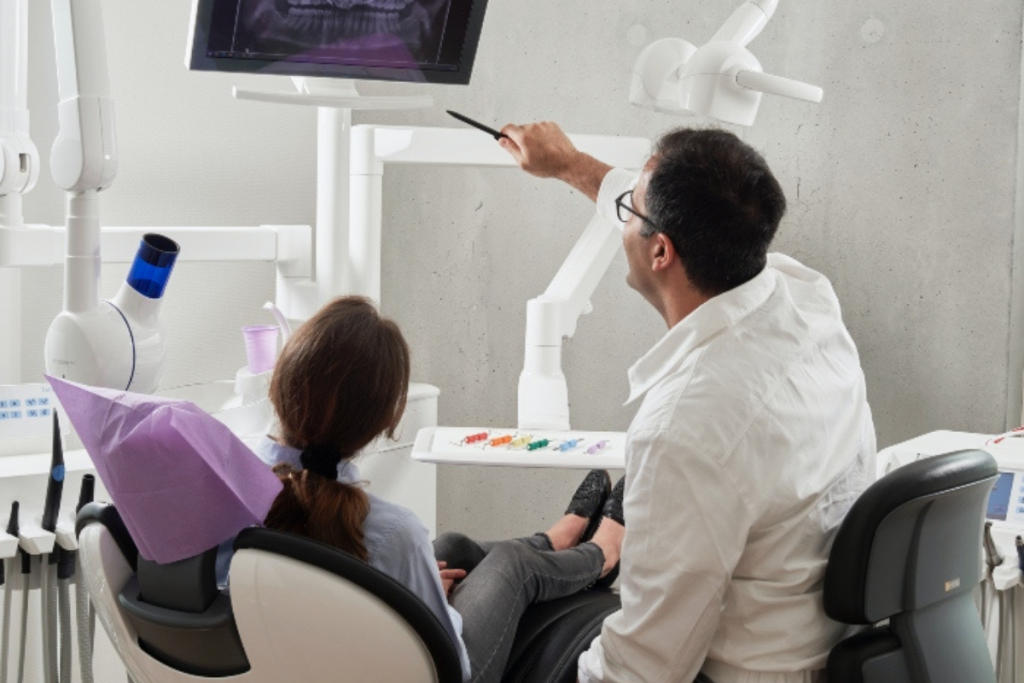
Root canal can be diagnosed through an X-ray and a dentist or endodontist can perform the treatment.
CAUSES
The pulp of the tooth may become inflamed or infected as a result of various factors including not treating cavities, which causes deep breakdown of the tooth. Tooth decay is the most common cause of root canal. When the tooth breaks down, bacteria is able to enter the chamber, causing irritation and infection to the area. As a result, one may experience pain, as well as sensitivity when eating and drinking something hot or cold.
Another contributing factor is being exposed to multiple dental procedures in the past, which can cause significant damage to the tooth, as repeated drilling can cause inflammation of the pulp. When the pulp is damaged, it breaks down, and bacteria can enter the pulp of the tooth.
The second most common cause of root canals is tooth fracture, which is caused by grinding and clenching your teeth, biting on something hard, or eating foods that are difficult to chew. This may result in hairline type fractures that allow bacteria to enter the pulp of the tooth, thus inflaming the nerves and infecting the tooth. Chips or cracks to the tooth can also result in tooth decay, where root canal treatment is required.
SYMPTOMS
- Constant Pain: One of the major signs that you may be in need of root canal treatment is experiencing constant pain, which may often be excruciating. You may also feel pain in parts other than your mouth, such as your jaw, gums and areas of the face.
- Discoloration of Your Tooth: Your tooth can become discolored if there is an infection in the pulp, where a grey or black colour is visible due to damage of the roots caused by a breakdown of the tissue or damage to the tooth.
- Sensitivity to Heat and Cold: Tooth sensitivity is a sign of damage to the nerve of the tooth and results in pain and discomfort during eating or drinking something hot or cold. This sensitivity may manifest as a sharp pain or a dull ache, which can be experienced for a long period of time after eating or drinking.
Some other signs that indicate the need for root canal treatment may include swelling or tenderness of the gums near the tooth, which are causing pain, as well as chips and cracks and movement of the tooth.
POST-PROCEDURE
Root Canal Recovery:
- After a root canal treatment, numbness will be experienced for a couple of hours. However, most people can resume work, school, or other daily activities.
- It is recommended that one waits until the numbness is gone before eating or drinking liquids
- Tooth sensitivity may be experienced for a few days after the procedure due to tissue inflammation, especially if there was pain or infection prior to the procedure. Pain can be treated with over-the-counter medications such as ibuprofen.
- Until the root canal is completely treated and a permanent filling or crown has been put in place, it is advised to try to avoid chewing hard foods. This will help keep the area clean and can prevent the tooth from breaking before it is fully recovered.
- Brushing, flossing and using an antiseptic mouthwash regularly is also advised, as well as going to the dentist regularly for checkups.